In today’s fast-paced world, muscle and joint pain are increasingly common complaints, whether due to strenuous workouts, aging, or chronic conditions like arthritis. Fortunately, red light therapy (RLT) offers a drug-free, non-invasive, and evidence-based solution for those seeking relief. This therapy harnesses low-level wavelengths of red and near-infrared light to reduce inflammation, enhance cellular repair, and improve circulation. Hence, ultimately relieves pain and supports tissue regeneration.
In this article, we dive into the science behind red light therapy and explore its therapeutic benefits for muscle recovery, joint pain, inflammatory conditions, and more.
How Red Light Therapy Works
Red light therapy involves exposing the skin to wavelengths between 630 nm and 850 nm. These light waves penetrate the skin and reach the mitochondria, the powerhouse of cells, stimulating a process called photobiomodulation. This leads to increased production of adenosine triphosphate (ATP), which fuels cellular activity and repair.
The result? Accelerated healing, reduced inflammation, and pain relief, particularly in musculoskeletal tissues.
Red Light Therapy for Muscle Pain and Recovery
Whether you are a professional athlete or someone who enjoys the occasional workout, sore muscles and fatigue can be frustrating. Red light therapy helps by:
- Reducing muscle soreness after exercise
- Accelerating tissue repair
- Enhancing blood flow, bringing nutrients and oxygen to damaged muscles
A 2016 meta-analysis found that low-level laser therapy (a form of RLT) significantly reduced muscle soreness and improved recovery times when applied post-exercise. This study was published in Lasers in Medical Science (Leal-Junior et al., 2016).
Another study found that red light therapy significantly reduced delayed-onset muscle soreness (DOMS) in athletes compared with a placebo. This study is in the American Journal of Physical Medicine & Rehabilitation (2014) (de Marchi et al., 2014).
Red Light Therapy for Joint Pain and Arthritis
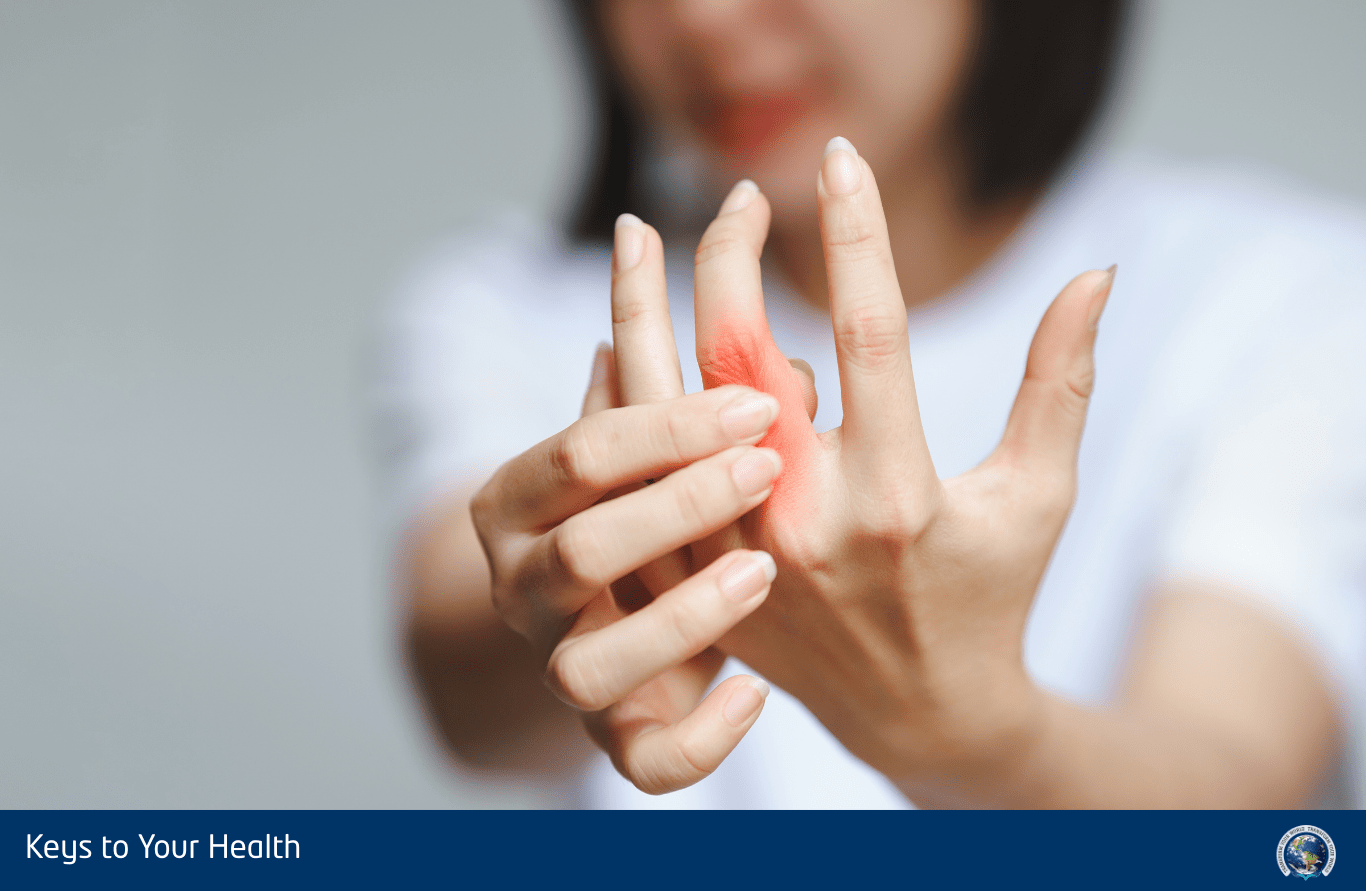
Joint discomfort from aging or conditions like osteoarthritis and rheumatoid arthritis can significantly reduce quality of life. RLT has been shown to:
- Decrease joint inflammation
- Improve range of motion
- Reduce pain and stiffness
A randomized controlled trial published in Clinical Rehabilitation (2005) reported that red light therapy led to significant pain reduction and functional improvement. This is in patients with knee osteoarthritis (Brosseau et al., 2005).
Moreover, near-infrared light can penetrate deeper tissues, making it especially effective for joints and tendons and promoting not just symptom relief but also long-term healing.
Chronic Inflammation and Long-Term Relief
Chronic musculoskeletal conditions are typically marked by persistent low-grade inflammation. Red light therapy modulates inflammatory markers and reduces oxidative stress, both of which contribute to tissue degeneration and pain.
By restoring balance at the cellular level, RLT offers not just a temporary fix, but a path toward long-term musculoskeletal health.
Who Can Benefit?
Red light therapy is beneficial for:
- Athletes recovering from intense workouts or injury
- Seniors with joint pain or arthritis
- Individuals with repetitive strain injuries
- People managing chronic inflammation and stiffness
Whether you visit a clinic or use a home red light device, consistency is key. Most users experience significant improvement within 2–4 weeks of regular use.
Conclusion: A Natural Ally in Pain Management
Red light therapy stands out as a powerful, scientifically supported tool for muscle and joint relief. It is safe, painless, and backed by research to reduce inflammation, enhance recovery, and restore mobility, making it a valuable addition to any wellness routine.